Your roof just took a beating, didn't it? Maybe it was one of those crazy winter windstorms we get around here, or a sudden, heavy downpour that just found a weak spot. Now you're probably looking up at a leak, or worse, seeing missing shingles scattered all over your yard. Your first thought? Probably, "How do I fix this, and what's it going to cost me?"
When storm damage hits, homeowners usually end up with two main choices: a targeted repair (basically, a patch job) or a full roof replacement. I’ve seen both done countless times right here in Elk Grove, and believe me, each has its definite upsides and downsides. Let's really dig into what you need to know, so you can make the best call for your house and your wallet.
The Patch Job: Quick Fix or Just Kicking the Can Down the Road?
A patch repair, well, it's pretty much what it sounds like. We come in, find the damaged area — maybe a section of shingles blown off, a cracked tile, or a small puncture — and we fix just that part. We try to match the materials as closely as possible, check that the stuff underneath is solid, and then seal everything up tight.
- Cost: This is usually the big appeal. A patch is almost always way cheaper upfront than replacing the whole thing. You're only paying for materials and labor for a small piece of your roof, after all.
- Speed: We can often get a patch done pretty fast, sometimes in just a day or two. It depends on how bad the damage is and if we have the right materials on hand. If you've got water actively dripping inside, speed really matters.
- Durability: Okay, this is where it gets a little tricky. If the damage is truly isolated — say, one tree branch fell on a specific spot — and the rest of your roof is in great shape, a patch can hold up just fine. But if the storm damage is just the final straw for an already old roof, that patch might only be a temporary band-aid. The new materials might not stick perfectly with the old, or the old stuff around it could fail soon after.
- Appearance: Unless your roof is practically brand new, a patch will almost always stick out. New shingles, even if they're the same brand and color, will look different from ones that have been weathered and faded. Over time, the new patch will blend in, but it's rarely invisible right away. And if you've got a distinctive tile roof, matching can be even harder.
- Maintenance: A patch doesn't really add to your roof's overall maintenance needs, but it doesn't reduce them either. You'll still need to keep an eye on the rest of your roof for other problems.
Full Roof Replacement: The Long-Term Play
A full roof replacement means we rip off all the old roofing material, right down to the decking. We inspect and fix any decking issues, and then put on an entirely new roofing system. This includes new underlayment, flashing, and all new shingles or tiles.
- Cost: Let's not sugar-coat it: a full replacement is a big investment upfront. It's definitely going to cost more than a patch. But, if your roof is older, say 15+ years, and you're seeing damage in a bunch of different spots, this might actually be the smarter, more economical choice in the long run.
- Speed: This is a bigger job, no doubt about it. Depending on your roof's size and how complicated it is, it could take several days to a week or even more. We try to work as fast as we can, but you're looking at more disruption.
- Durability: This is where a full replacement really shines. You're getting a brand-new roof with a fresh warranty, built to last for decades. All the parts are new, installed together, and designed to work as one system. That means much better protection against future storms, the Central Valley sun, and whatever else comes our way.
- Appearance: A new roof instantly boosts your home's curb appeal. It looks clean, uniform, and fresh. You can even pick a different roofing material or color, giving your house a whole new vibe.
- Maintenance: With a new roof, your worries about maintenance drop significantly for years to come. You'll still want to keep gutters clean and do annual inspections, of course, but you won't be stressing about old, failing materials.
What I Usually Tell Elk Grove Homeowners
Here in Elk Grove, we don't typically get those crazy hail storms you see in other parts of the country. But our intense summer sun and those occasional heavy winter rains and winds? They can really beat up roofing materials. I've seen roofs in older neighborhoods like Laguna West or Stone Lake, built back in the 90s or early 2000s, where the asphalt shingles are just starting to fall apart. The granules are gone, they're brittle, and a strong gust of wind can just peel them right off. It's a common sight, unfortunately.
My honest recommendation usually boils down to how old your existing roof is, its overall condition, and just how bad the storm damage truly is:
- If your roof is relatively young (under 10-12 years old) and the damage is genuinely isolated to a small, specific area, a professional patch repair is often the way to go. We can usually match the materials well enough, and the rest of your roof still has plenty of life left in it.
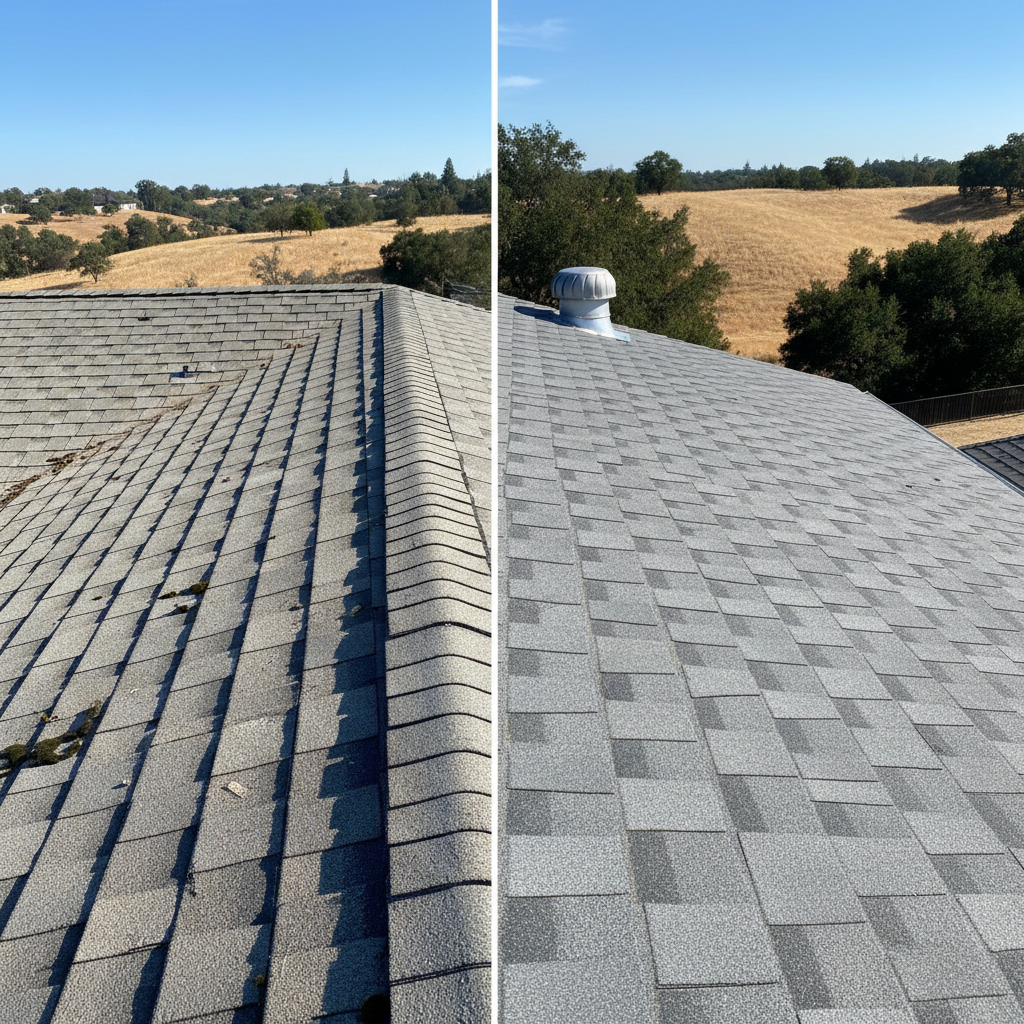
- If your roof is older (15+ years) or if the storm damage is widespread – meaning multiple areas are hit, or the damage shows a general breakdown of the roofing material – then a full roof replacement is almost always the smarter, more cost-effective long-term solution. You're just going to keep chasing leaks and patching problems if you don't deal with the main issue: an aging roof system. Plus, a new roof really does add significant value to your home, doesn't it?
Don't let some contractor talk you into a full replacement if a simple repair is honestly all you need. But also, don't let the upfront cost of a replacement stop you from doing what's best for your home in the long run. We at Paramount Roofing Solutions always start with a really thorough inspection. That way, we can give you an honest assessment of your roof's condition and figure out the best path forward. We'll show you the damage, explain your options, and help you understand the pros and cons for your specific situation. Give us a call, and let's get that roof sorted out.