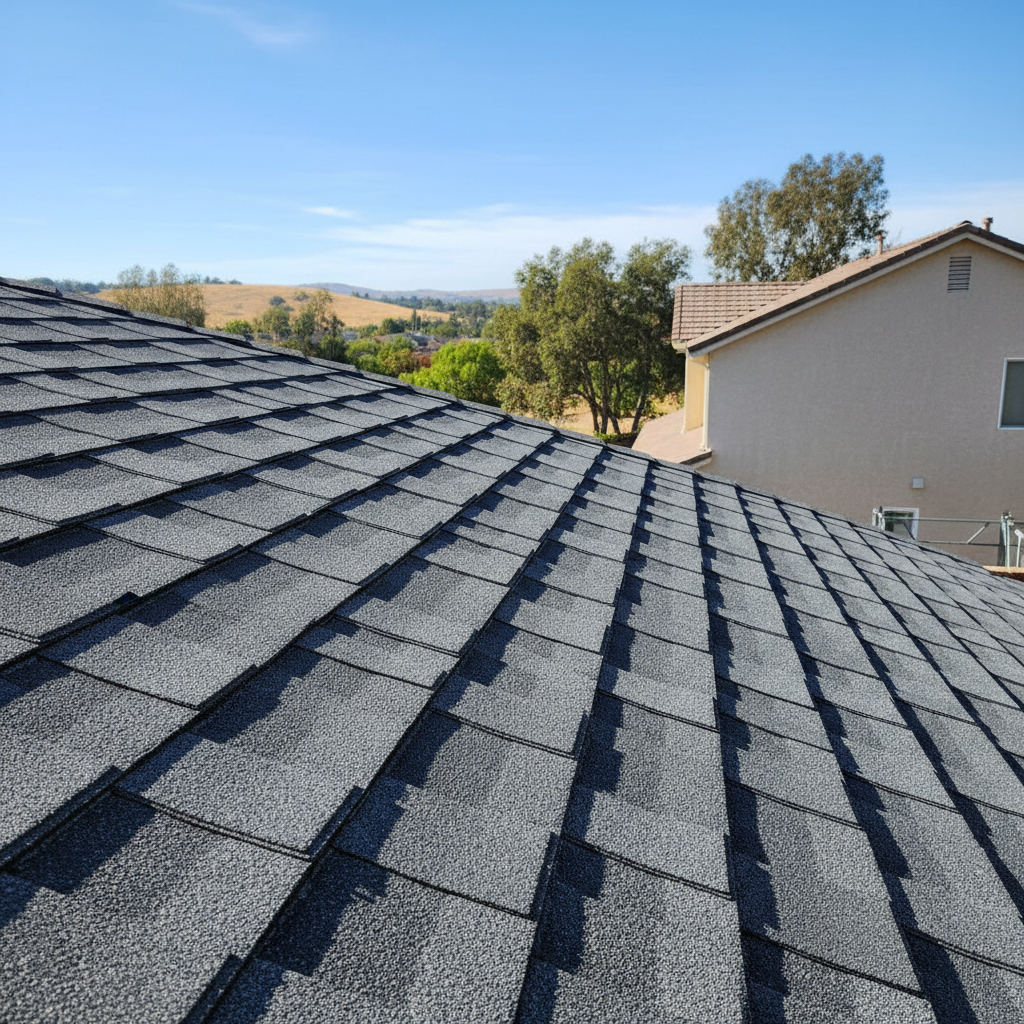
How long do asphalt shingles actually last around here?
You'll see manufacturers throw around numbers like 20, 30, even 50 years for asphalt shingles. And yeah, those warranties are out there. But let's be real for a second, especially here in Elk Grove. With our hot summers, those intense UV rays, and the occasional heavy rain, you're looking at a more practical lifespan. For a standard 3-tab shingle, I usually tell folks to expect 15-20 years. Architectural shingles, which are thicker and more robust, often hit 20-30 years. The 50-year stuff? You might get 35-40 if you're lucky and you keep up with maintenance. Don't just go by the warranty; think about our local climate. It's tough on roofs, plain and simple.
Is it really worth paying more for architectural shingles?
Absolutely, 100%, yes. If you can swing it, architectural shingles are a no-brainer. They're also called dimensional or laminate shingles, and they're built with multiple layers, giving them a much thicker, more textured look that mimics natural slate or wood shakes. Beyond the curb appeal, they're just tougher. They stand up better to wind, hail, and our intense sun. They're heavier, which means they're less likely to lift or blow off in a storm. Plus, their longer lifespan often means you're pushing off a full roof replacement for another 5-10 years compared to 3-tab shingles. It's an investment that pays off in durability and aesthetics.
What kind of maintenance do I need to do to keep my asphalt roof healthy?
A lot of homeowners think once the roof is on, that's it. Not true, especially with asphalt. Here's what I recommend:
- Annual Inspections: Get up there (or have someone like us do it) once a year. Look for cracked, curled, or missing shingles. Check around vents, chimneys, and skylights for any signs of wear or failing sealant.
- Keep it Clean: Leaves, branches, and debris sitting on your roof can trap moisture, leading to moss or algae growth. That stuff holds water against your shingles, breaking them down faster. Keep your gutters clear too; blocked gutters mean water can back up under your shingles.
- Trim Trees: Overhanging branches can scrape against your roof, wearing down the shingle granules. Plus, they're an easy way for critters to get onto your roof and into your attic.
- Watch for Moss and Algae: If you see green or black streaks, address it. You can use a gentle roof cleaner, but be careful not to power wash, as that can blast off the protective granules.
A little proactive care goes a long way in extending your roof's life.
My neighbor just got a new roof, and it looks like a different color than the sample. Is that normal?
Yep, totally normal. It's a common thing people notice. There are a few reasons for it. First, the lighting on the sample board versus your actual roof, which is a huge surface, is different. The sun hits it differently. Second, shingles often have what we call 'granule blend variation.' Manufacturers mix different colored granules to create the final shade, and there can be slight differences from batch to batch. Also, when shingles are first installed, they can have a bit of a sheen or 'newness' to them that fades slightly over the first few months as they settle in and get exposed to the elements. Don't panic if it's not an exact match to that little square you picked out; it'll usually blend in nicely over a short period.
What's the deal with those black streaks on my roof? Is it mold?
Those black streaks are usually a type of algae called Gloeocapsa magma. It's a common problem, especially in humid areas or on north-facing slopes that don't get as much direct sunlight. While it's not immediately damaging to the structural integrity of your roof, it does feed on the limestone filler in your shingles, which can cause premature granule loss over time. It also makes your roof look dirty and can reduce its ability to reflect sunlight, potentially increasing your attic temperature. You can clean it, but again, be gentle. Some newer shingles even come with copper granules embedded, which act as an algaecide to prevent those streaks from forming in the first place. If you're getting a new roof from Paramount Roofing Solutions, we can talk about those options.
How do I know if I need a repair or a full replacement?
This is the million-dollar question, isn't it? It boils down to the extent of the damage and the age of your roof. If your roof is relatively young (under 15 years for 3-tab, under 20 for architectural) and you've only got a few missing shingles, a small leak, or some localized damage from a tree branch, a repair is usually the way to go. We can often match shingles pretty closely and fix the problem area. However, if your roof is older, if you're seeing widespread granule loss, curling, cracking, or multiple leaks in different areas, then you're probably looking at a replacement. A good rule of thumb: if the cost of repairs starts to approach 25-30% of a full replacement, it's usually more cost-effective in the long run to just get a new roof. We always give you an honest assessment.