What's the real difference between a 20-year and a 30-year shingle? Is it just marketing?
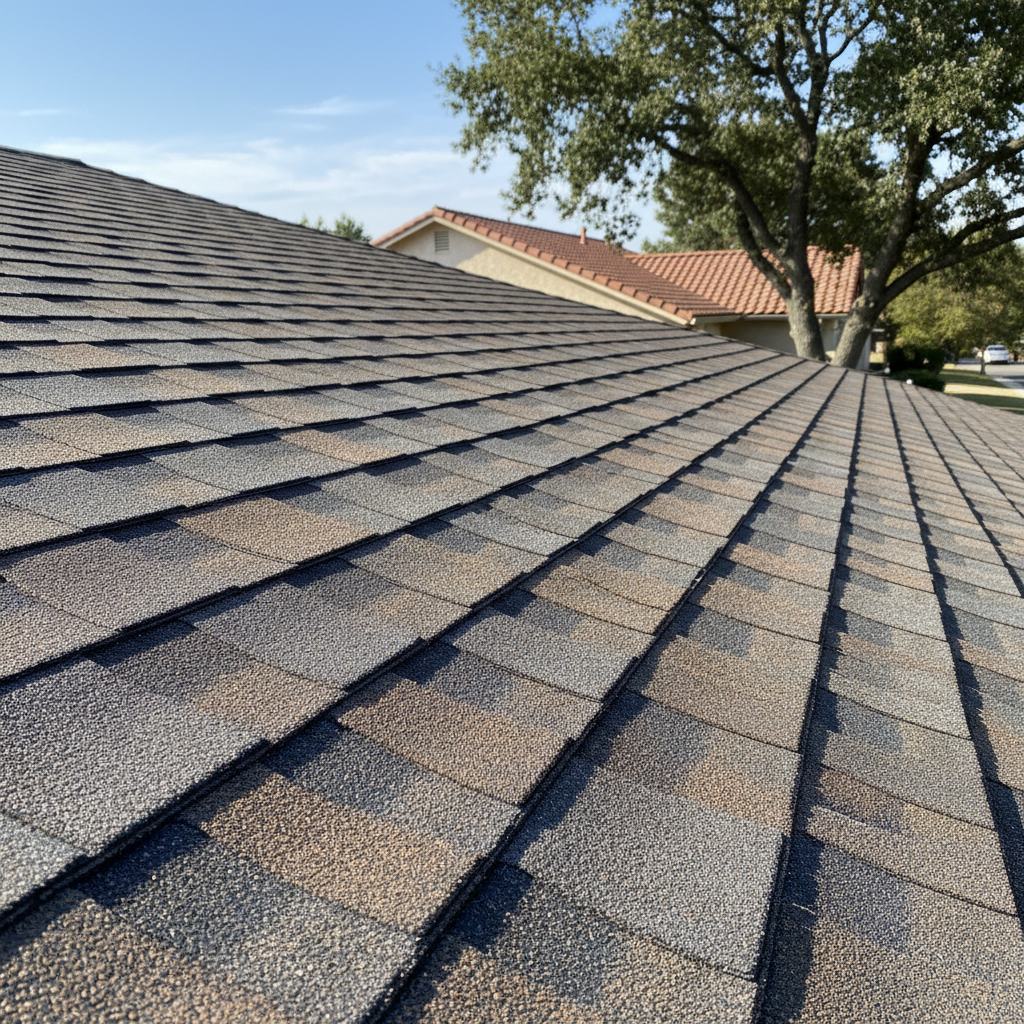
That's a question I get all the time, and it's a good one. The '20-year' or '30-year' label you see on shingle packages? That's a manufacturer's warranty rating, and honestly, it's more of a marketing tool than a guaranteed lifespan in our Elk Grove climate. What it really indicates is the *quality* and *thickness* of the shingle. A 30-year architectural shingle, for example, is generally thicker, heavier, and has more asphalt and granules than a 20-year 3-tab shingle. This means it's more durable, stands up better to our hot summers and occasional heavy rains, and has a better wind resistance rating. It'll also look better for longer because it's less prone to curling or granule loss early on. So, while you might not get a full 30 years out of it here – 20-25 is more realistic for an architectural shingle in Elk Grove, depending on sun exposure and ventilation – you're paying for a better product that will perform better and last longer than its cheaper counterpart. It's not just marketing; it's about material quality and what you can realistically expect.
How often should I really have my roof inspected?
Look, I'm a roofer, so you might think I'd say 'every year, no matter what!' But that's not always practical or necessary for every homeowner. For most asphalt shingle roofs in Elk Grove, especially newer ones, a professional inspection every 2-3 years is a good baseline. However, there are definitely times you should call us sooner. After any significant storm with high winds or heavy hail – which we do get occasionally around here, especially in the older parts of Elk Grove like the Laguna area – it's smart to have someone take a look. If you notice anything unusual yourself, like granules in your gutters, missing shingles, or water stains inside, don't wait. A quick check after a storm can catch small issues before they become big, expensive problems. Think of it like changing the oil in your car; regular maintenance prevents major breakdowns.
My neighbors are getting solar panels. Will that affect my roof's lifespan or warranty?
Absolutely, it can. This is a big one, and it's something you need to be really careful about. When you install solar panels, you're essentially putting a bunch of penetrations (holes) in your roof for the racking system. If those aren't sealed perfectly, you're asking for leaks. Plus, the panels themselves cover a large portion of your roof, which can trap heat underneath them. This trapped heat can accelerate the aging process of your asphalt shingles, potentially shortening their lifespan, especially in our intense summer heat. Most shingle manufacturers will also void their warranty if the roof is penetrated or altered by a third party, like a solar installer, unless specific guidelines are followed. My advice? If you're thinking about solar, get your roof inspected first. If it's nearing the end of its life, replace the roof *before* you install solar. It's way cheaper to do it that way than to remove and reinstall solar panels just to replace an old roof. Make sure your solar installer is licensed, insured, and understands roof integration. You want a solar company that works *with* your roofer, not against them.
I'm seeing dark streaks on my roof. Is that mold? Do I need to replace it?
Those dark streaks are almost certainly algae, specifically a type called Gloeocapsa magma. It's a common sight on roofs, especially on the north-facing slopes or in shaded areas where moisture tends to linger. It's not mold, and it's not immediately damaging your roof structure. However, it feeds on the limestone filler in asphalt shingles, and over time, it can degrade the granules, which are your roof's primary protection against UV rays. So, while it doesn't mean you need a new roof tomorrow, it's not something to ignore. You can have it cleaned, but be careful. Pressure washing can strip granules right off your shingles, doing more harm than good. I recommend a soft wash method using a specific cleaning solution that kills the algae without damaging the roof. Some newer shingles even come with copper granules embedded to resist algae growth, which is a nice feature to look for if you're replacing your roof.
How important is attic ventilation for my shingle roof?
It's huge. Seriously, it's one of the most overlooked aspects of roof health, especially in a place like Elk Grove where we get those triple-digit summer days. Proper attic ventilation does two critical things: First, it helps prevent heat buildup in your attic. A super-hot attic can transfer that heat down into your living space, making your AC work overtime and driving up your energy bills. Second, and this is key for your shingles, that excessive heat cooks your roof from the inside out. It accelerates the breakdown of the asphalt, causing shingles to curl, crack, and lose granules prematurely. In the winter, good ventilation also helps prevent moisture buildup, which can lead to mold and rot. We often see homes in older Elk Grove neighborhoods, like those around the city center, that were built with minimal ventilation. If your attic feels like an oven, you probably need better ventilation. It's an investment that pays for itself in energy savings and extended roof life.
My roof is leaking, but I can't find the source. What do I do?
First, don't panic. Second, don't try to go up on a wet roof yourself – that's just dangerous. Leaks are tricky because the water often travels along rafters or sheathing before it drips down, so the spot you see the drip isn't necessarily where the water is coming in. Common culprits include damaged or missing shingles, flashing around chimneys, skylights, or vents, and even clogged gutters causing water to back up under the shingles. Sometimes, it's as simple as a nail pop. What you need to do is call a professional, like us at Paramount Roofing Solutions. We've got the experience and the tools to trace that leak back to its source, even if it's hidden. We'll inspect the roof from the outside, check the attic for water trails, and pinpoint exactly what's going on. Trying to patch it yourself without knowing the true source usually just delays the inevitable and can make the repair more complicated down the line.
What's the deal with roof warranties? Are they all the same?
Definitely not. This is where a lot of homeowners get confused. There are generally two types of warranties you'll deal with: the manufacturer's warranty and the contractor's warranty. The manufacturer's warranty covers the materials – the shingles themselves – against defects. This is where those '20-year' or '30-year' labels come in. However, these warranties often have a lot of fine print, like prorated coverage after a certain number of years, requirements for proper installation, and exclusions for things like storm damage or inadequate ventilation. Then there's the contractor's warranty, which covers the workmanship – how well the roof was installed. This is super important because even the best shingles won't last if they're installed incorrectly. At Paramount Roofing Solutions, we stand behind our work, and our workmanship warranty reflects that. When you're getting quotes, always ask about both warranties. Understand what's covered, for how long, and what could potentially void them. A strong contractor warranty gives you peace of mind that if something goes wrong due to installation error, you're covered.
How can I tell if my roof just needs repairs or if it's time for a full replacement?
That's the million-dollar question, isn't it? It really comes down to the extent of the damage and the overall age and condition of your roof. If you've got a relatively young roof (say, under 10-15 years for an architectural shingle) and it's just a few missing shingles from a windstorm, or a small leak around a vent, repairs are usually the way to go. We can often match the existing shingles pretty well and extend the life of your roof. However, if your roof is older (approaching 20+ years for architectural, or 15+ for 3-tab), and you're seeing widespread issues like significant granule loss, widespread curling or cracking, multiple leaks, or even soft spots in the decking, then you're probably looking at a replacement. Trying to chase down endless repairs on an old, failing roof is like putting a band-aid on a gushing wound; it's often more expensive in the long run than just getting a new one. We'll always give you an honest assessment of your roof's condition and help you weigh the pros and cons of repair versus replacement, so you can make the best decision for your Elk Grove home and your budget.